

Many parents in Singapore want to give their children the best possible start in life. As preschool admission approaches, it’s common to wonder whether academic tuition is necessary before a child begins Nursery 1 (N1), Nursery 2 (N2), or Kindergarten (K1). With growing competition and increasing awareness of early childhood education, some families feel pressure to introduce reading, writing, or mathematics lessons at an early age.
But does a child really need tuition before preschool?
According to the Early Childhood Development Agency (ECDA), the focus during the early years should be on play-based learning, social development, communication, and emotional well-being, rather than academic achievement. In this guide, we’ll explore whether preschool tuition is beneficial, what research says, and how parents can prepare their children for a successful learning journey without unnecessary pressure.
Academic tuition before preschool refers to structured lessons designed to teach young children academic skills before they officially begin preschool.
These lessons may include:
While some parents choose enrichment programmes to expose children to new experiences, academic tuition is generally more structured and teacher-led.
The simple answer is No, not for most children.
Most ECDA-licensed preschools in Singapore are specifically designed for children with little or no formal academic experience.
Teachers understand that every child develops differently and gradually introduce foundational concepts through age-appropriate activities.
Rather than expecting children to know how to read or write before preschool, educators focus on helping them develop:
These foundational life skills often contribute more to long-term success than early academic achievement.
According to UNESCO, more than 90% of brain development occurs before the age of five, making early experiences incredibly important.
Research from the OECD suggests that high-quality early childhood education improves children’s:
However, studies also indicate that play-based learning produces stronger long-term developmental benefits than introducing formal academics too early.
Singapore’s Early Years Development Framework (EYDF) also encourages holistic development instead of academic acceleration during the preschool years.
Young children learn best through meaningful experiences rather than memorisation.
Play-based learning helps children develop multiple skills simultaneously.
Children learn to:
Group play teaches children:
Through play, children learn to:
Activities such as running, climbing, drawing, and building blocks improve:
These skills provide a stronger foundation than early worksheets or tuition classes.
Although tuition isn’t necessary for most preschoolers, there are situations where additional learning support may benefit a child.
Examples include:
In these situations, support should always be personalised rather than focused solely on academics.
Instead of enrolling your child in academic tuition, consider activities that naturally develop essential skills.
Reading improves:
Just 15–20 minutes of reading daily can make a significant difference.
Activities include:
These activities stimulate creativity while strengthening cognitive development.
Teach children simple responsibilities like:
These practical skills help children feel confident when they start preschool.
Outdoor activities improve:
Nature-based play also supports problem-solving and creativity.
Your child doesn’t need to read books or solve maths problems before preschool.
Instead, look for signs such as:
These are much stronger indicators of preschool readiness.
Reality: Most children learn naturally through play and everyday experiences.
Reality: Research shows that pushing academics too early doesn’t necessarily improve long-term success.
Reality: Confidence, communication, curiosity, and emotional security often matter far more than early academic knowledge.
Parents remain a child’s first and most important teacher.
Simple daily activities can encourage learning naturally.
Try to:
These interactions help children develop a lifelong love of learning.
For most children, academic tuition before preschool is not necessary. Singapore’s early childhood education system is designed to nurture curiosity, confidence, creativity, and social development through meaningful, play-based experiences rather than formal academic instruction.
Instead of focusing on worksheets or tuition classes, spend time reading together, encouraging imaginative play, building independence, and supporting your child’s emotional well-being. These experiences will prepare them far better for preschool and for a lifetime of learning.
No. Most preschools in Singapore introduce reading gradually through phonics, storytelling, songs, and play-based activities. Children are not expected to read independently before starting preschool, as teachers are trained to support different learning abilities and developmental stages.
For most children, phonics tuition is not necessary before preschool. Many ECDA-licensed preschools introduce phonics naturally through songs, storytelling, games, and classroom activities. If your child enjoys books and language-rich conversations at home, they will already be developing important pre-reading skills.
Social, emotional, and communication skills are often more valuable than early academics. Being able to share, listen, express feelings, follow simple instructions, and become more independent helps children settle into preschool more confidently and enjoy learning from the very beginning.
Yes. Research consistently shows that play-based learning develops creativity, problem-solving, language, confidence, and social skills. These foundational abilities support future academic success and help children transition smoothly from preschool to Primary 1 when they are developmentally ready.
Enrichment programmes focusing on music, art, sports, or language exposure can be beneficial because they encourage creativity, confidence, and holistic development. Unlike traditional academic tuition, these programmes emphasise exploration, curiosity, and enjoyment rather than academic performance.
Yes, introducing formal tuition too early may create unnecessary pressure if it replaces play and exploration. Young children learn best through hands-on experiences, storytelling, and social interaction. A balanced routine that encourages curiosity and confidence is generally more beneficial than intensive academic lessons before starting preschool.
Parents can support learning through everyday activities such as reading storybooks, counting household objects, singing nursery rhymes, drawing, solving simple puzzles, and engaging in pretend play. These fun experiences develop language, creativity, problem-solving, and communication skills while keeping learning enjoyable and stress-free.
No. Most ECDA-licensed preschools are designed to teach foundational literacy, numeracy, and social skills from the beginning. Children enter preschool with different abilities, and educators are trained to support various learning paces. Confidence, curiosity, and emotional readiness are often more important than advanced academic knowledge.
If your child consistently struggles with communication, following simple instructions, interacting with others, or reaching developmental milestones, it may be helpful to consult your preschool teacher, paediatrician, or an early intervention specialist. Professional guidance ensures your child receives appropriate support based on their individual developmental needs.
Enrichment classes focusing on music, art, sports, coding, or language exposure can help children develop creativity, confidence, and social skills without placing excessive emphasis on academics. These programmes complement preschool learning by encouraging exploration, critical thinking, and holistic development in a fun and engaging environment.

Lorem ipsum dolor sit amet, consectetur adipiscing elit. Cras interdum felis...
Learn More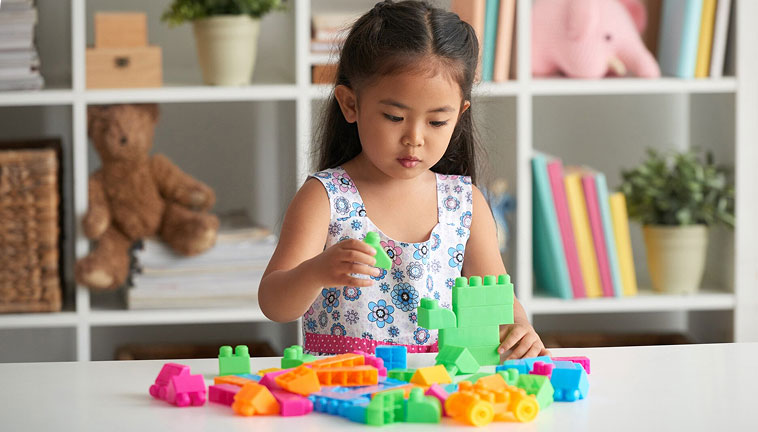
Lorem ipsum dolor sit amet, consectetur adipiscing elit. Cras interdum felis...
Learn More