
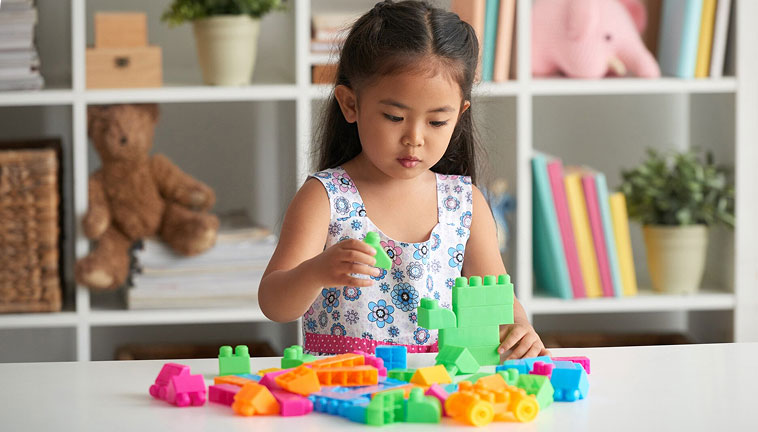
Starting preschool is an exciting milestone for both children and parents. For many families in Singapore, the first day at an ECDA-licensed preschool, childcare centre, or MOE Kindergarten can bring a mix of excitement and nervousness. While it’s natural to feel anxious, the right preparation can help your child settle in confidently and enjoy a positive start to their learning journey.
According to UNESCO, over 90% of a child’s brain development occurs before the age of five, making early childhood experiences essential for lifelong learning and development. In this guide, you’ll discover practical tips to prepare your child for their first day of preschool, reduce separation anxiety, and help them transition smoothly into Singapore’s early childhood education system.
The first few weeks of preschool lay the foundation for your child’s lifelong learning journey. A positive introduction to school helps children:
Children who experience a smooth transition are often more willing to participate in classroom activities and adapt quickly to new environments.
Every child develops at their own pace, but here are some common signs that your little one may be ready to start preschool.
Children who show curiosity about parks, playgrounds, or new places are often more open to exploring a preschool environment.
Being able to understand and follow simple directions helps children participate in classroom routines more easily.
Whether through words or gestures, children should be able to communicate when they are hungry, thirsty, or need help.
Simple tasks like washing hands, putting on shoes, carrying a small backpack, or tidying up toys indicate growing independence.
Children who are comfortable staying with grandparents or trusted caregivers generally find it easier to adjust to preschool.
The way parents talk about preschool has a significant influence on how children feel about it.
Instead of saying,
“You’ll have to go to school soon.”
Try saying,
“You’re going to make new friends, play fun games, sing songs, and learn exciting things.”
A positive attitude helps children associate preschool with enjoyable experiences.
Most ECDA-licensed childcare centres and preschools organise orientation sessions.
Take this opportunity to:
Familiar surroundings can significantly reduce first-day anxiety.
Children thrive on consistency.
About two weeks before preschool starts:
A predictable routine makes the transition much smoother.
Preschool encourages children to become more self-reliant.
Practice simple skills like:
These small achievements build confidence.
Children often learn through stories.
Books about the first day of school help children understand:
Reading together also opens opportunities to discuss their feelings.
If your child has never spent time away from you, start gradually.
Leave them with:
Short separations teach children that parents always return.
Allow your child to help prepare their preschool bag.
Include items such as:
Giving children responsibility helps them feel excited about preschool.
Many children experience mixed emotions before starting preschool.
Tell your child it’s perfectly okay to feel:
Encourage open conversations instead of dismissing their concerns.
Well-rested children cope better with new experiences.
Ensure your child:
Healthy habits improve mood, concentration, and energy levels.
Teachers are your greatest allies during the transition.
Share important information, including:
The more teachers know, the better they can support your child.
Many parents unintentionally make the adjustment more difficult.
Avoid:
Remember, children often mirror their parents’ emotions.
Before the first day, make sure you’ve prepared:
Every child is different.
Some children settle within a few days, while others may need two to six weeks to feel completely comfortable.
Be patient, maintain routines, and celebrate small achievements during the transition.
Most children in Singapore begin preschool between 18 months and 4 years, depending on the programme and their developmental readiness. Many parents enrol their children in Nursery 1 (N1) or Nursery 2 (N2). The ideal age depends on your child’s social, emotional, and communication skills rather than age alone.
Start by practising short separations with trusted family members or caregivers before preschool begins. Establish a consistent routine, speak positively about school, and avoid long emotional goodbyes. Over time, your child will gain confidence and understand that you’ll always return after school, making the transition much smoother.
Most Singapore preschools recommend packing a labelled backpack containing a water bottle, spare clothes, tissues, a hat, and any required medication. Some centres may also request comfort items or learning materials. Always check your preschool’s packing list to ensure your child has everything they need.
Every child adapts differently. While some settle within a few days, others may need two to six weeks to feel comfortable. Maintaining consistent routines, encouraging independence, and working closely with teachers can help children adjust more confidently and enjoy their preschool experience sooner.
It’s completely normal for children to cry during the first few days or weeks of preschool. Stay calm, keep your goodbye short and reassuring, and trust the teachers to comfort your child. Most children stop crying shortly after their parents leave and gradually become more confident each day.
Talk positively about preschool, read books about starting school, and encourage your child to express their feelings openly. Let them know it’s normal to feel excited or nervous. Building familiarity through preschool visits and daily routines can also help reduce anxiety and increase their confidence before the first day.
The right choice depends on your family’s needs. Preschools mainly focus on early education and school readiness, while childcare centres combine learning with full-day care. Working families often choose ECDA-licensed childcare centres because they provide both education and extended care throughout the day.
Encourage your child to practise sharing, taking turns, and greeting others before preschool begins. Participating in playground activities, playdates, or community events can also improve social confidence. Teachers will guide children through group activities that naturally help them build friendships and communication skills.
Choose an ECDA-licensed preschool with qualified educators, a child-centred curriculum, safe learning environments, and positive parent reviews. Consider factors such as class size, teacher-to-child ratio, facilities, location, and communication with parents. Visiting the preschool before enrolment helps you make a more informed decision.
Continue encouraging learning at home by reading together, asking about your child’s day, and celebrating small achievements. Maintain consistent routines, communicate regularly with teachers, and provide plenty of encouragement. A strong partnership between parents and educators helps children develop confidence, independence, and a lifelong love for learning.
Lorem ipsum dolor sit amet, consectetur adipiscing elit. Cras interdum felis...
Learn More
Lorem ipsum dolor sit amet, consectetur adipiscing elit. Cras interdum felis...
Learn More